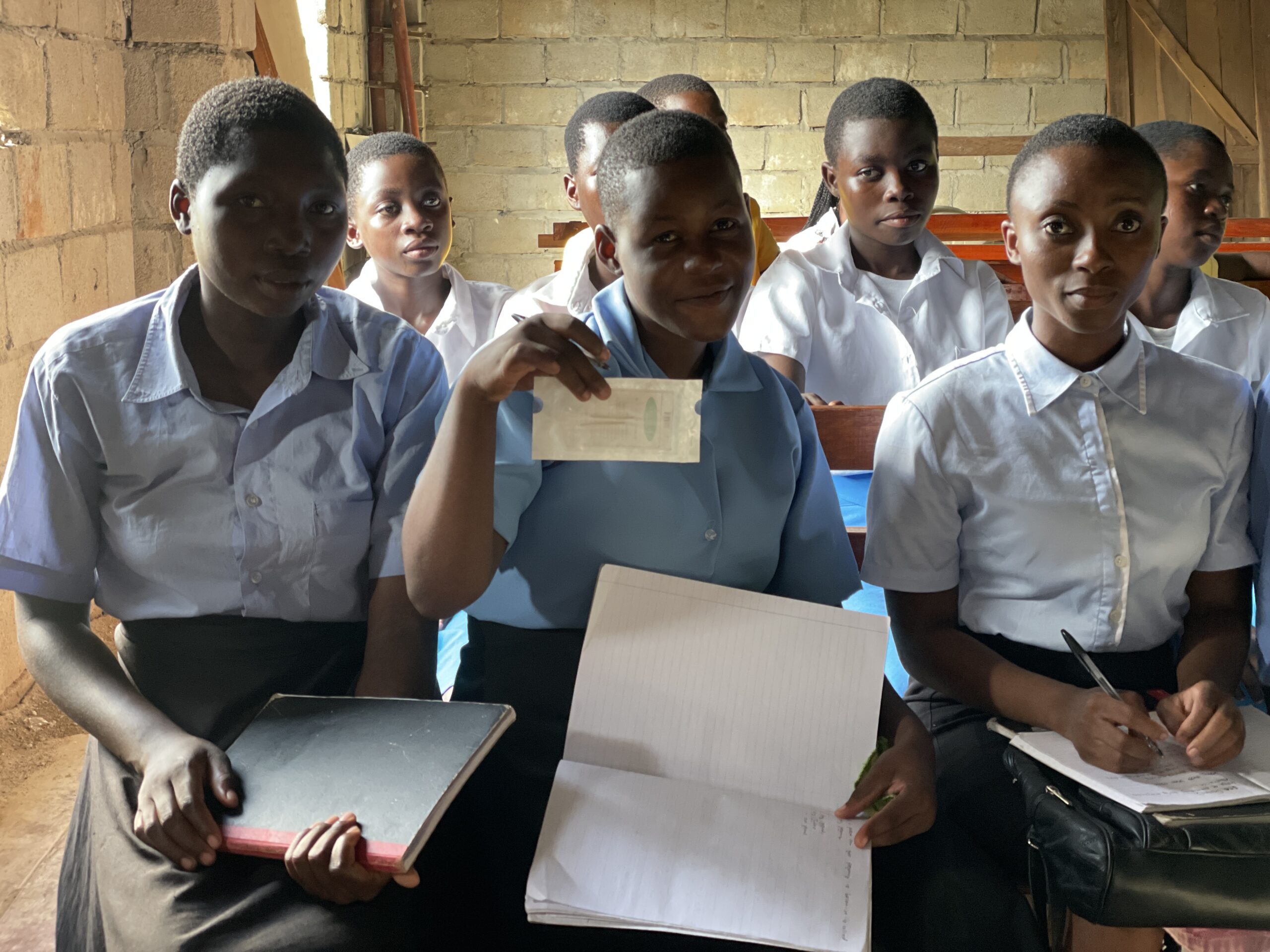
Temwa works in remote, rural areas of northern Malawi – where poverty and climate change are a daily reality. 

Our aim is to develop thriving, inclusive and self-reliant communities that are able to transform their own futures.

At the heart of everything we do is our commitment to community-led development: we empower communities to identify their own challenges and solutions. Working together with the people we support, our interlinked projects help break the poverty cycle and create lasting, sustainable change for the future.

Read about the positive impacts Temwa is having in the communities where we work, in our latest Annual Report and our 6 month Impact Report

You can read more below on the work Temwa is supporting across Agriculture and Forestry, Health and Education.

Agriculture and forestry

Nine in ten people in Nkhata Bay North are farmers, and almost 60% of the population live on just over 50p a day. They depend on the land and local forests for survival. But poverty is forcing them to use these resources unsustainably – making the same problems worse. 

In the last 20 years, a quarter of the forest in Nkhata Bay district has been destroyed. At the same time, climate change has led to increased droughts and floods. The extreme weather and degrading land make it difficult for farming communities to make a living to feed and support their families.

Smallholders Transitioning into Economic Prosperity in Agriculture (STEP-A)

Temwa’s five-year STEP-A project is supporting farmers increase their income and improve their resilience to climate and economic related shocks. This is being achieved by supporting farmers transition from subsistence farming to a more market-oriented approach through participation in Farmer Producer Organisations.  At its core, the project seeks to ensure that farming households are not only more food secure, but also better equipped to generate reliable incomes and recover from climate-related setbacks.  A big focus of the Programme is the adoption of Sustainable Agriculture Practices (SAP) to build household resilience to droughts, floods and unpredictable rainfall. 

Read about our Step A project here.

Temwa Carbon Balance

The Temwa Carbon Balance scheme offers organisations and individuals an opportunity to balance their CO₂ emissions. We do this through community tree planting, sustainable livelihoods and community-led stewardship of local natural resources.

You can read more on our latest progress here and balance your carbon here.
 

Recently Completed Agriculture and Forestry Projects 

Strengthening Resilience for Vulnerable Households

In June 2024, Temwa launched a new 1 year project supporting 5 new beekeeping and 5 new livestock-rearing cooperatives to increase their climate resilience. By strengthening their livelihoods and increasing income generation, the groups will be better able to recover after extreme weather events.

Read about our SRVH project in our latest report here.

Building Climate-resilient Livelihoods

Temwa is supporting a 3 year project which works with the disadvantaged farming communities in Nkhata Bay North to build sustainable livelihoods that give families income and food while protecting the local environment. 

We train farmers in sustainable farming methods that help them adapt to the changing climate. We provide business training and support to farmer groups, which can then flourish into forest-friendly community enterprises. 

Read about our Farming Futures project in our latest report here.

Supporting Farmer Field Schools

Temwa’s Farmer Field Schools Project is designed to enhance food security for vulnerable households by training farmers in sustainable agricultural techniques, such as soil conservation and the use of organic fertilisers. These trained farmers then go on to train their peers, passing on their knowledge and skills. 

Read about our Farmer Field School project in our latest report here.

Health

In Nkhata Bay North, four in five households don’t have clean water for drinking and washing. 60% of families don’t have access to safe toilets. One in every eight adults is also HIV-positive so nearly every household is affected by HIV or AIDS in some way. 

At the same time, the area is so remote that it’s difficult for people to access healthcare facilities or receive health education. Some communities are a nine-hour walk from the closest clinic. Many work and school days are lost to easily preventable diseases. 

Through several different projects and programmes Temwa is supporting communities in Nkhata Bay North to improve their health outcomes.

Sexual Reproductive Health and Rights (SRHR)

Temwa’s Pa Mushunguti project aims to reduce the vulnerability of young people in Nkhata Bay North to sexual and reproductive health risks, such as early marriages, unsafe abortions, teenage pregnancies and STI’s. Through our community-driven approach, Temwa is supporting youth clubs in schools and communities to encourage young people to challenge harmful cultural norms and taboos and make informed decisions about their sexual reproductive health and rights. 

Read our End Of Year  and Mid-Term reports. 

Access to clean water, hygiene education and better sanitation

Temwa has supported improvements in WASH (Water, Sanitation and Hygiene) for many years. Our approach was to support communities access simple ceramic water filters to protect people from waterborne diseases. Families paid a contribution towards the filters, and the revenue from the sales of the water filters was re-invested in other health initiatives, chosen by the communities themselves, including under-5 health clinics. Alongside this, the WASH Project delivered hygiene and sanitation education and built demonstration latrines so that families could replicate construction of latrines in their own homes. Between 2024 and 2026, our WASH Project reached 6900 people across three locations in the lakeshore areas of NkhataBay North, distributed 1200 water filters, and households exposed to WASH promotion strategies had approximately 60% lower chances of reporting disease occurrence than households that were not exposed Over the last year, Temwa has taken a pause to evaluate the effectiveness of our WASH approach to inform future efforts. 

 The 3 year evaluation report is available here. 

Recently Completed Health Projects

Strengthening Community Run HIV Services

Following the success of our ‘provider-initiated HIV testing and counselling’ project at 5 local health centres in Nkhata Bay north over the last few years (which means that everyone visiting a clinic is now offered a HIV test),  Temwa extended the project into the community itself.  We supported regular outreach clinics in remote and ‘at-risk’ communities to enable community members to access vital health services and HIV testing. We also provided contact tracing and offer counselling and support to those testing positive which will help reduce the spread of the disease.

Take a look at our final report here.

Education

Literacy rates in Malawi are very low: only around two in three adults are able to read and write. Girls and women are often expected to take care of children and the household. This means that women have lower levels of education and only 3% have completed secondary school. Low education levels affect people’s future lives and employment opportunities, making it harder to break out of poverty.

Early Childhood Education 

Temwa’s 3 year Early Childhood Development (ECD) project which started in October 2023 and completed in August 2026 supported communities to set up and run community-run preschools. By providing access to well-managed, properly resourced preschools, children are now better prepared for primary school and more likely to complete their early education. Our follow-on project extends the approach to NkhataBay West, starting in late 2026. 

Read more on our ECD project in our latest report here.

Secondary school bursaries 

Whilst primary school in Malawi is free, secondary school is not, meaning that only 25% of children go on to receive a secondary education. Through Temwa’s bursaries, we enable secondary school-aged children to continue with their education. The bursaries are awarded annually to gifted students from the most vulnerable families who aren’t able to afford school fees. 

Read more on our bursary project in our latest report here.


Recently Completed Education Projects

Community literacy

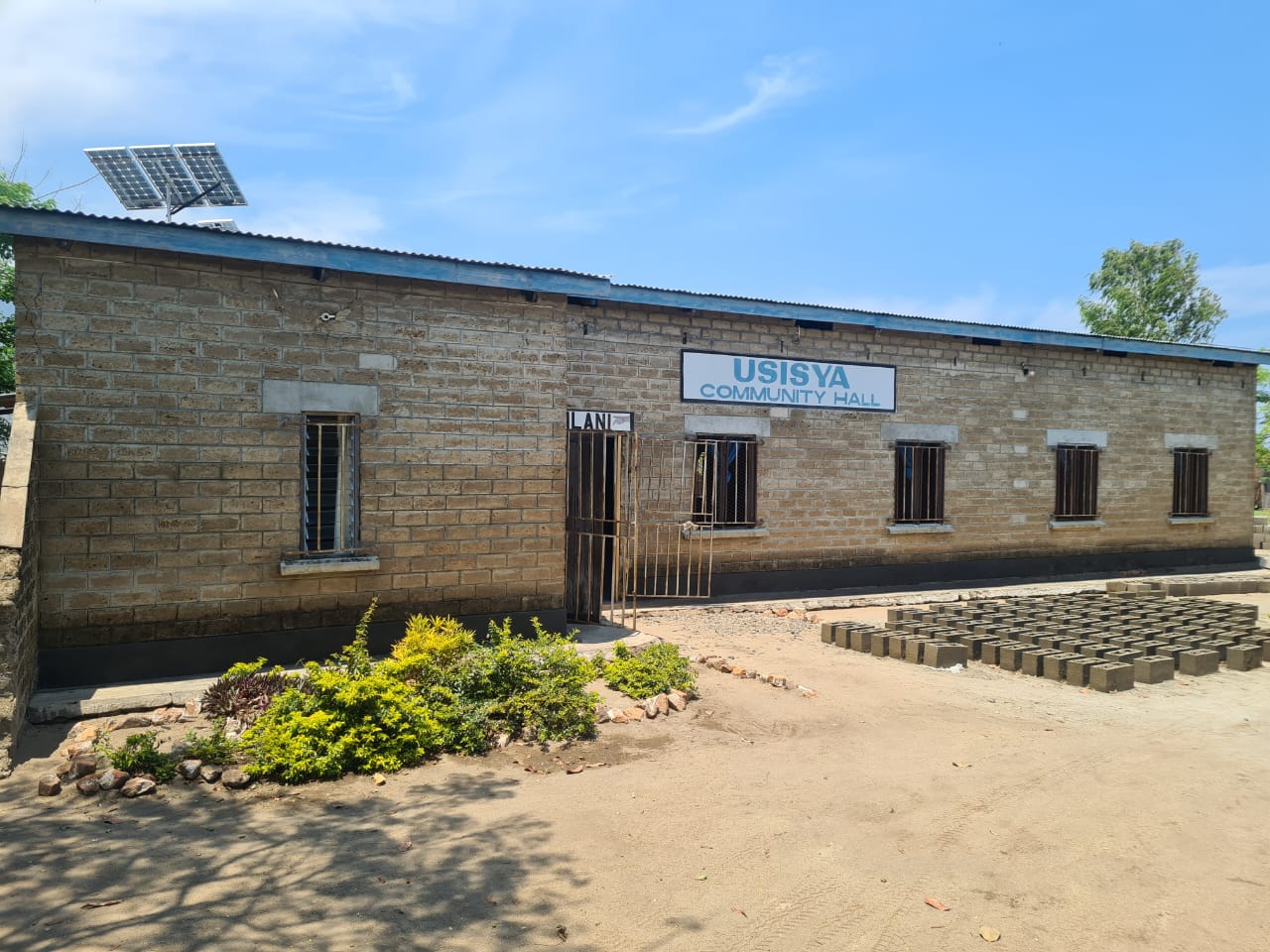
Temwa’s Community Literacy project, which ran from 2020-2023, improved reading and writing skills of primary-aged children through weekly after-school Reading Camps. Temwa also continues to support the running of the Usisya Community Library so that the wider community has access to books, educational materials and a quiet place to learn.

Read more on our literacy project in our latest education report here. 

This site uses cookies. By using this site you are agreeing to the use of cookies.